
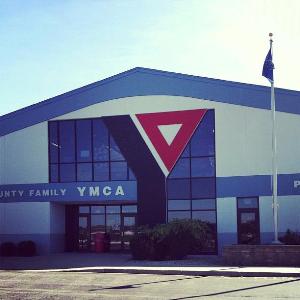
 (Greensburg, IN) – The Decatur Shelby County YMCA says it will strengthen and expand its relationships with local healthcare providers after being selected to receive $528,862.30 through Indiana’s Growing Rural Opportunities for Well-being (GROW) Regional Grants initiative.
The work will focus on improving health and quality of life across the region.
Grant funds will allow the YMCA to launch Prescribe the Y: a new healthcare referral program focused on preventing and managing chronic disease. Through Prescribe the Y, local healthcare providers will be able to connect eligible patients directly with personalized support at the YMCA.
“Prescribe the Y represents a major step in helping rural Hoosiers live healthier lives, while continuing to be accessible for all,” Gov. Mike Braun said. “This investment allows Decatur County to ensure residents have additional resources to improve their health.”
Referred participants will complete a free, 90-day program based on their individual health needs. The program may include personal training, health coaching, evidence-based chronic disease prevention programming, and opportunities for social connection.
“This is a major opportunity for our YMCA and the communities we serve,” said Mackenzie Pickerrell, CEO of the Decatur Shelby County YMCA. “Health is shaped by what happens between doctor visits. This funding will allow us to work directly with healthcare providers and give residents the coaching, tools, and consistent support they need to build healthier lives.”
The grant will significantly expand YMCA’s community health capacity across Decatur and Shelby counties. Funding will support the addition of a Director of Community Health and four personal trainers serving the YMCA’s Decatur and Shelby County locations.
The YMCA will also invest in EGYM strength-training equipment and SECA body composition technology. These tools will create a more personalized and approachable experience, helping participants understand their progress and build confidence as they work toward their health goals.
“We’re seeing patients with chronic conditions become increasingly ill and require more intensive care in DCMH’s inpatient medical unit,” said Dr. Jennifer Fletcher, a board-certified family physician who serves as Chief Medical Officer and Medical Director of the Hospitalist Service at Decatur County Memorial Hospital. “We know that managing these conditions takes more than treating a patient when they are acutely ill; it takes ongoing support to help people make and maintain healthy changes. Prescribe the Y will create a bridge between the care we provide in our
primary care clinics and the hospital, while providing the personalized support patients need in their everyday lives.”
During the first year, the YMCA will focus on hiring and training staff, installing equipment, establishing referral and data-sharing systems, and expanding relationships with health care providers and community partners. Prescribe the Y is expected to begin serving referred participants in early 2027.
“Our providers at Decatur County Memorial Hospital know their patients and care deeply about helping them live healthier lives, not simply treating them when they are sick,” said Rex McKinney, President and CEO of Decatur County Memorial Hospital (DCMH). “Prescribe the Y gives our care teams another way to connect patients directly with personalized support while helping them act earlier and better manage their health.”
The Decatur Shelby County YMCA will complete this work through Region 6’s Community Health Integration Network, which brings health care providers and community organizations together as part of the GROW Regional Grants initiative.
GROW is part of the five-year Indiana Rural Health Transformation Program (Indiana RHTP), focused on improving health care access and outcomes in rural communities. Through this work, the YMCA will primarily serve residents of Decatur and Shelby counties.
Indiana RHTP is supported by approximately $207 million in federal funding for the 2026-2027 program year of the five-year program. About 60 percent of the funding centers on GROW, which allows regional coalitions to identify their communities’ greatest health needs and develop local solutions.